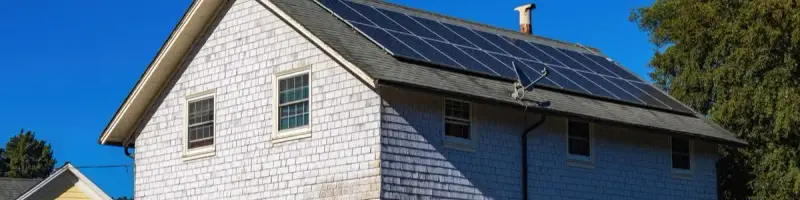
Denver Premium Roofing: Roof Replacement, Hail Damage & Flat Roofs
Expert residential and commercial roofing services. Free inspection and a written finding across Denver and the Front Range urban corridor.
- Licensed by the City and County of Denver for both shingle and membrane work, since Colorado issues no statewide roofing license
- Written contract before any work, with the seventy-two-hour right to rescind and your deposit held in trust, as Colorado law requires
- We read your declarations page before we price the roof, so the number on the estimate matches what the policy will actually settle
- Free inspection with a written finding, including the finding that your roof is still serviceable and does not need replacing
Roofing Work We Do in Denver
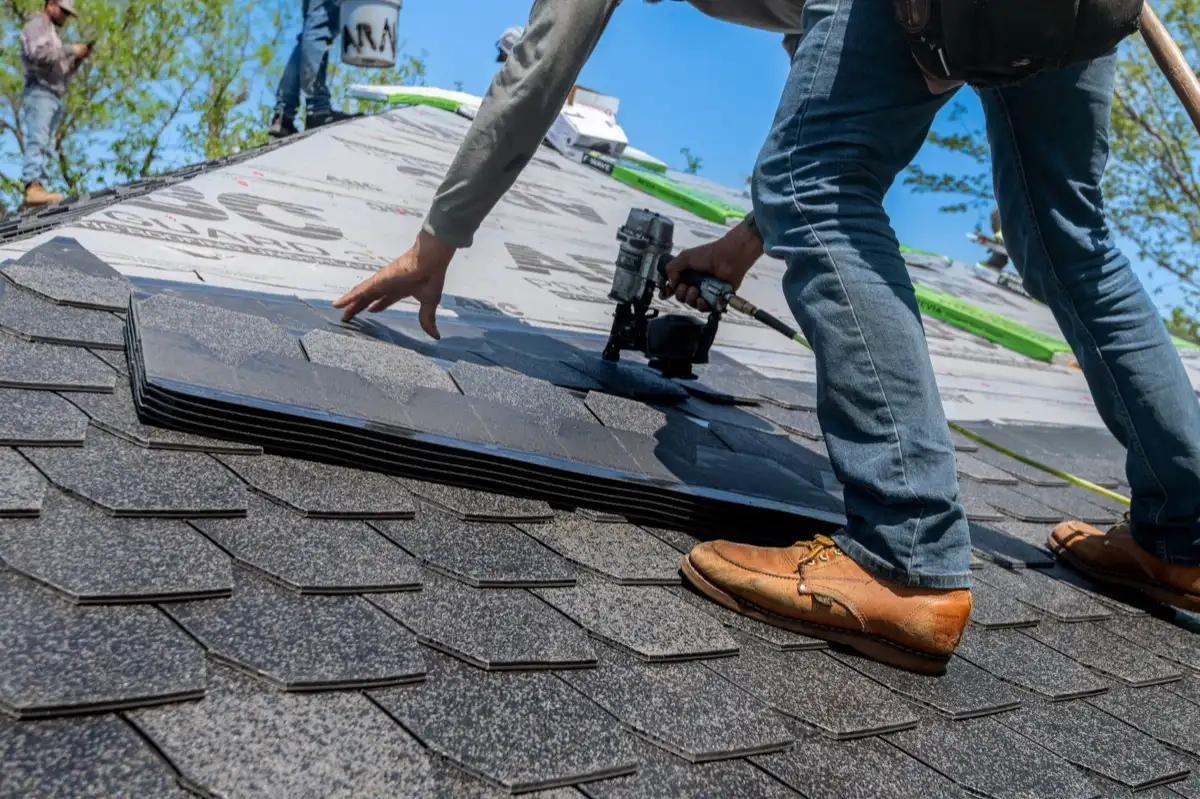
Residential Roof Installation
New work is a different page than replacement. There is nothing to tear off, the deck is going down clean, and the roof has to be watertight before the inside of the house exists.
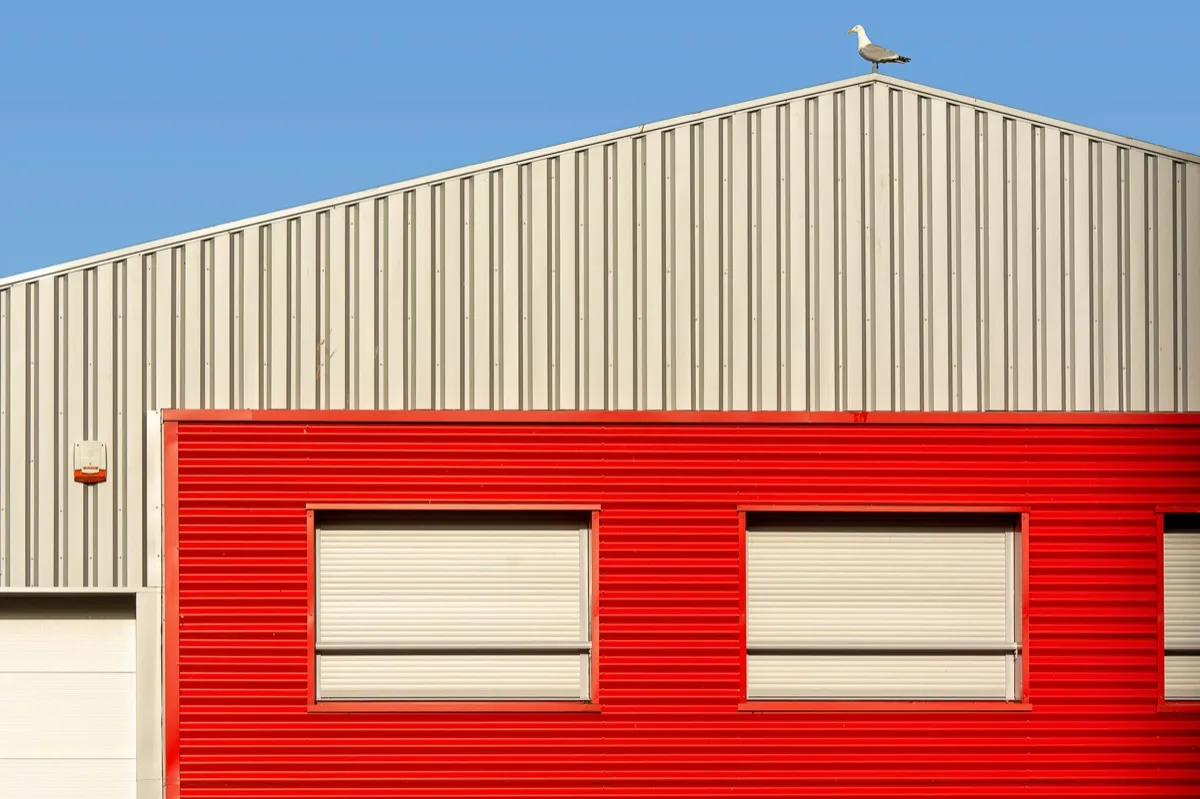
Commercial Roof Installation
Commercial owners in Denver meet two things residential owners never do: a cool-roof obligation triggered by square footage, and an insurance market where actual cash value on an aged membrane makes the roof a capital problem rather than a recoverable loss. The obligation first, because it moves budgets.
Roof Replacement
A Denver replacement gets priced twice before it gets priced once. The roof has a construction cost, and your policy has a settlement basis, and treating those as one number is how homeowners end up funding a surprise.
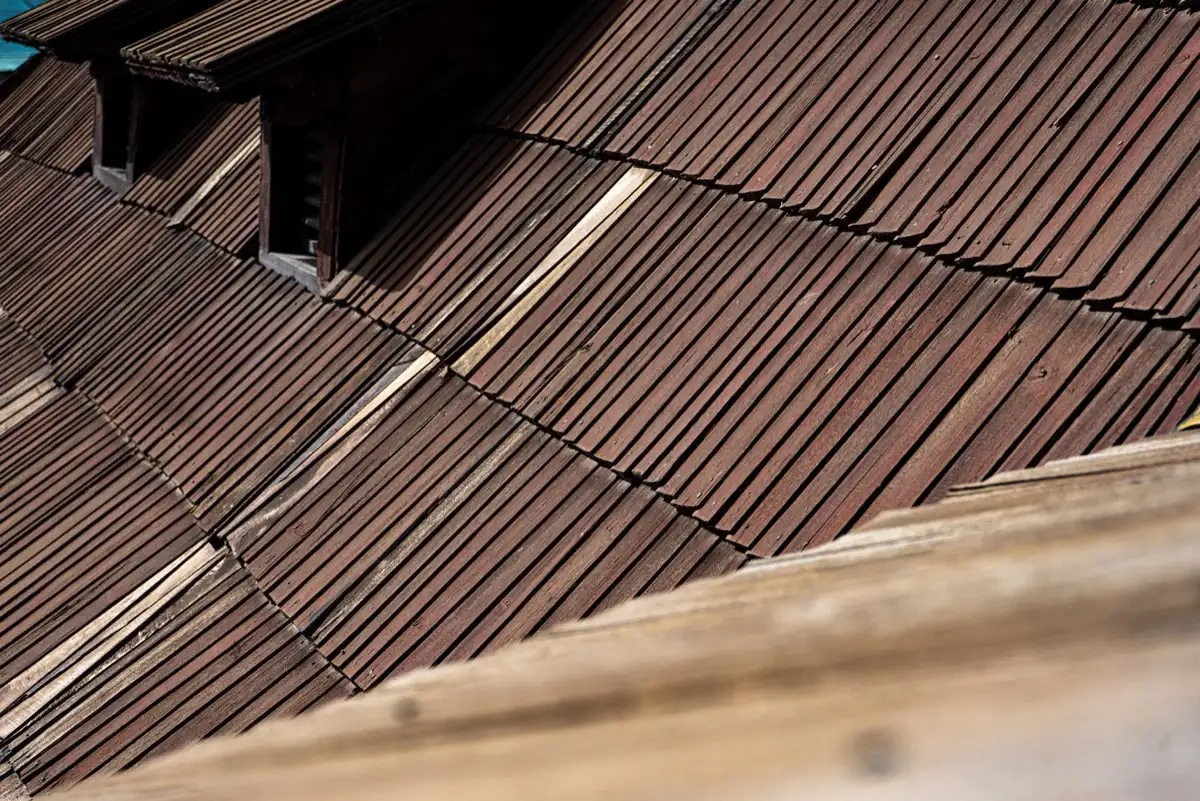
Roof Repair
Denver answers the permit question with a number, which makes this city unusually easy to be honest in. A roof permit is required once repairs pass ten percent of total roof square footage or two roofing squares, whichever of those is smaller.
Asphalt Shingle Roofs
Asphalt covers most of Denver, and the choice you make inside that category does two jobs. It decides how the roof performs, and it decides how the roof depreciates, because age-based payment schedules key off material as well as years in service.

Cool Roof Installation
Denver is the one city on this list with an actual cool roof mandate, and the first thing to know is that it probably does not reach your house. The rule is real and it is narrow.
Flat & Low-Slope Roofing
Low-slope roofs in Denver almost never get rescued by an insurance check, and the sooner an owner accepts that the better the building does. A membrane is a capital item with a service life, and it should be budgeted like a boiler.
Hail Damage Roofing
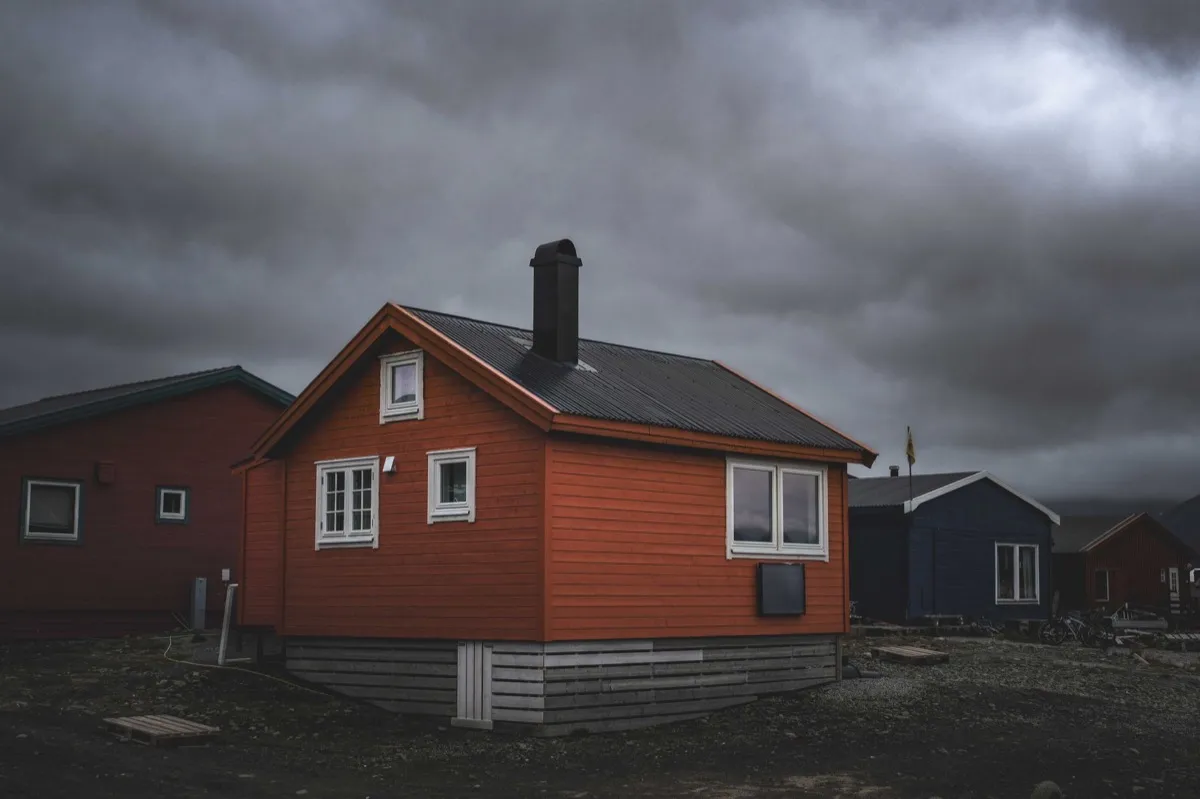
Before anything else, we run your deductible against the likely settlement. Plenty of Denver hail claims are worth filing and a meaningful minority are not, and the arithmetic separating them takes about ten minutes and costs you nothing at all.
Insurance Claim Help
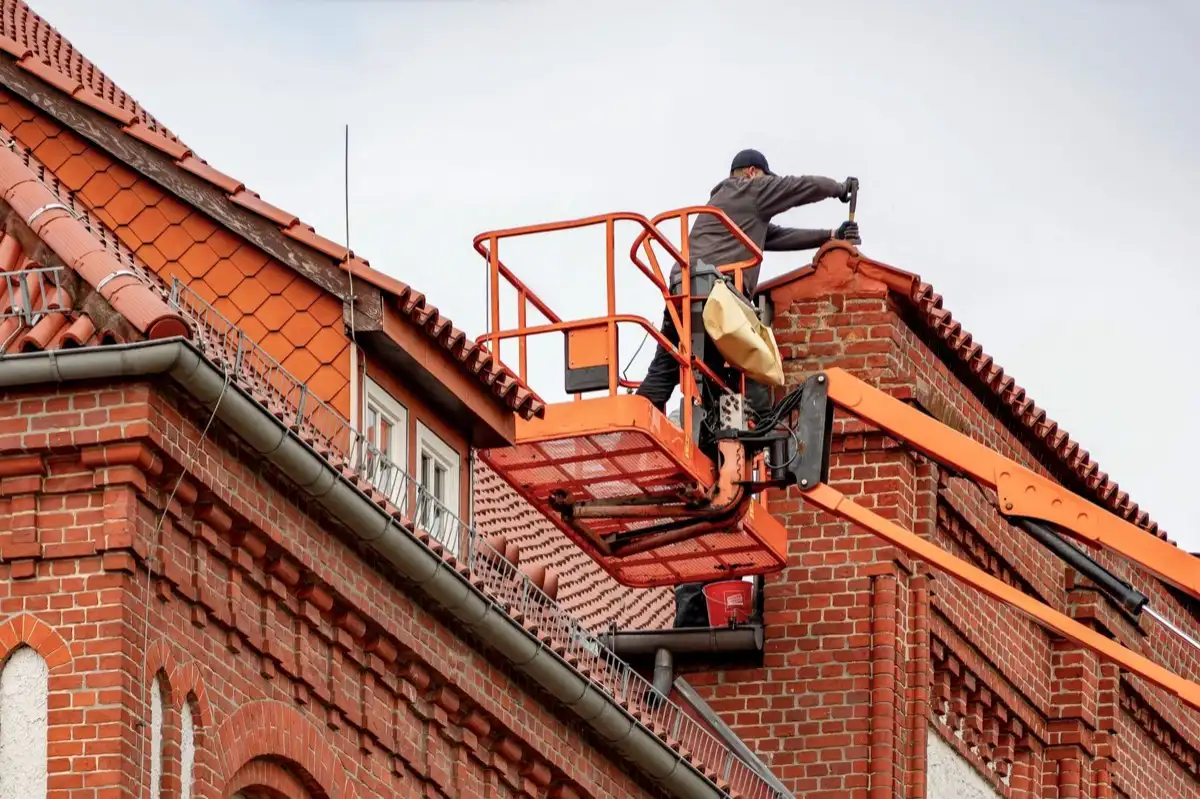
We will say the limiting thing first, because it defines everything else on this page. Colorado bars a roofing contractor from holding itself out as a public insurance adjuster or acting as one.
Metal Roofing
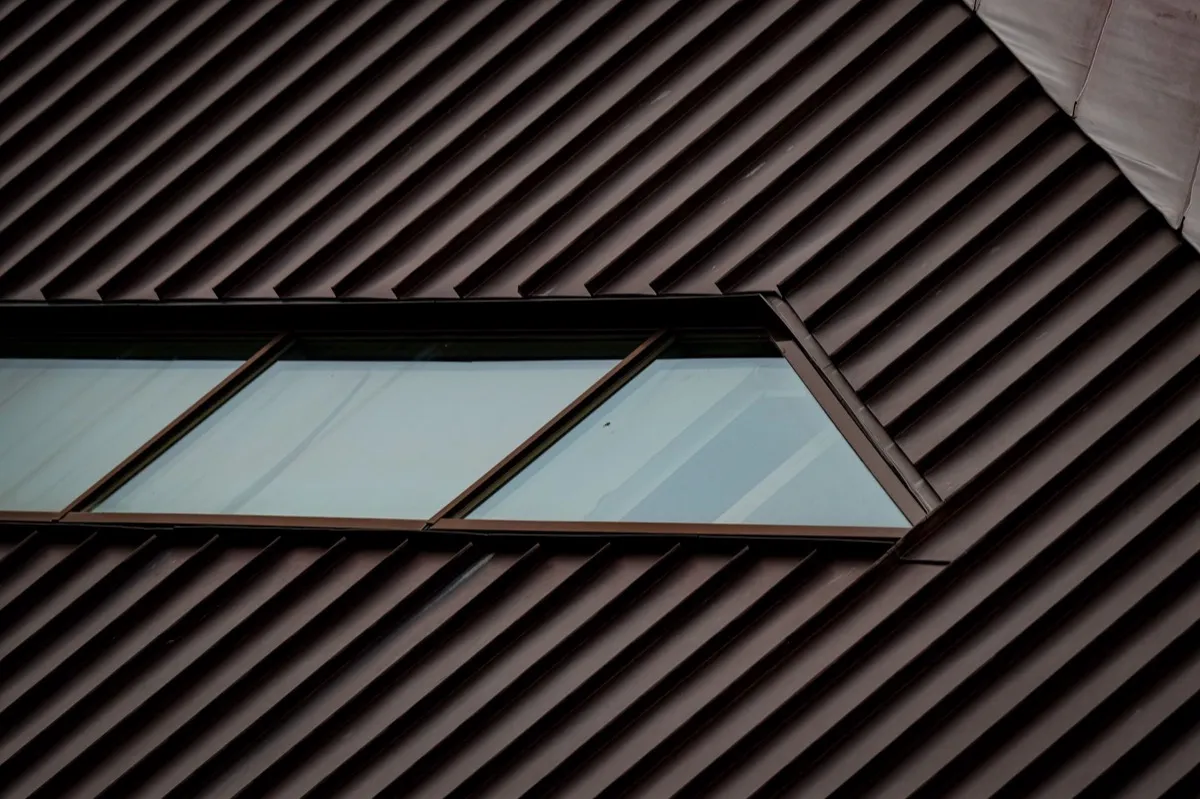
Metal is sold across hail country as the roof that ends the argument with the weather. In Denver we argue the opposite for a large share of buyers, and the reason has nothing to do with how the panels perform in a storm.

Roof Leak Repair
Most Denver leaks are not an insurance event, and pretending otherwise costs you twice. A slow leak is wear, and wear is what nearly every homeowners policy excludes by name, so the claim you file is usually the claim you lose.
Roof Skylight Installation
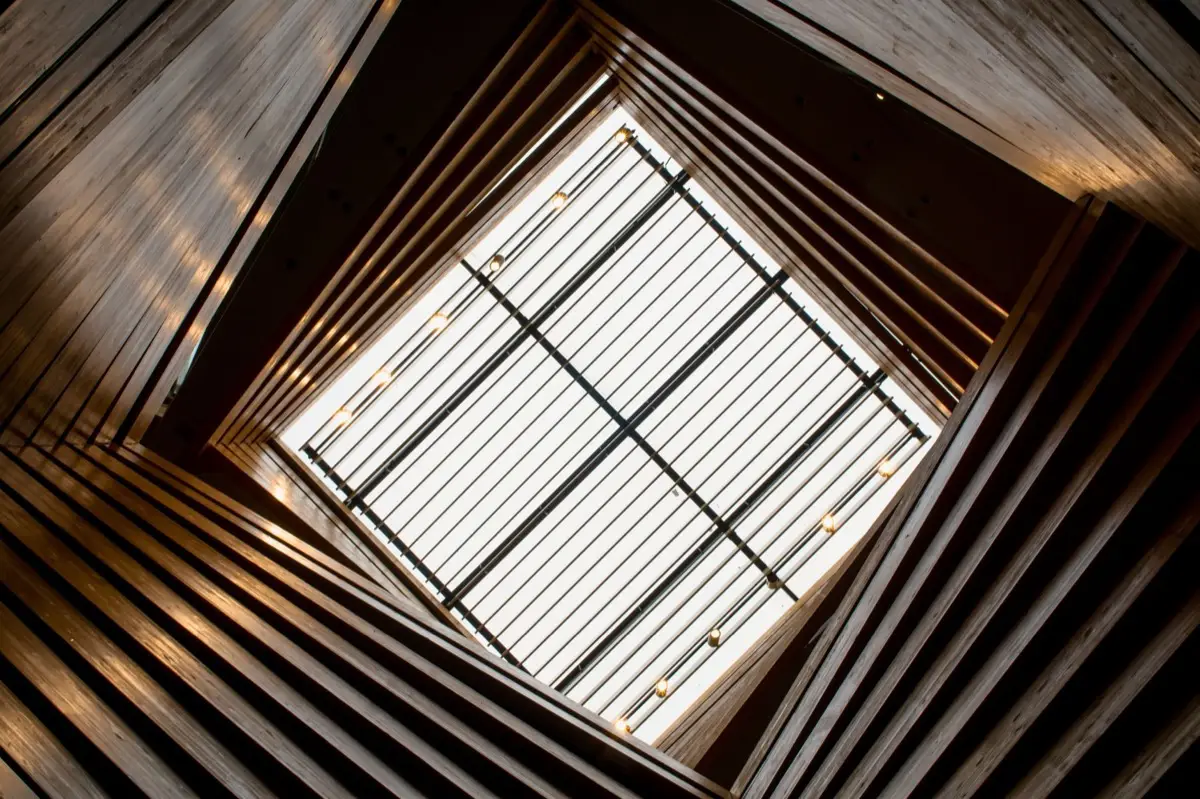
We gate this one deliberately. Every new roof penetration in Denver requires a permit, and a skylight added during a claim-funded reroof is betterment your carrier does not owe, so the honest sequence often starts with us recommending against it.
Storm Damage Restoration
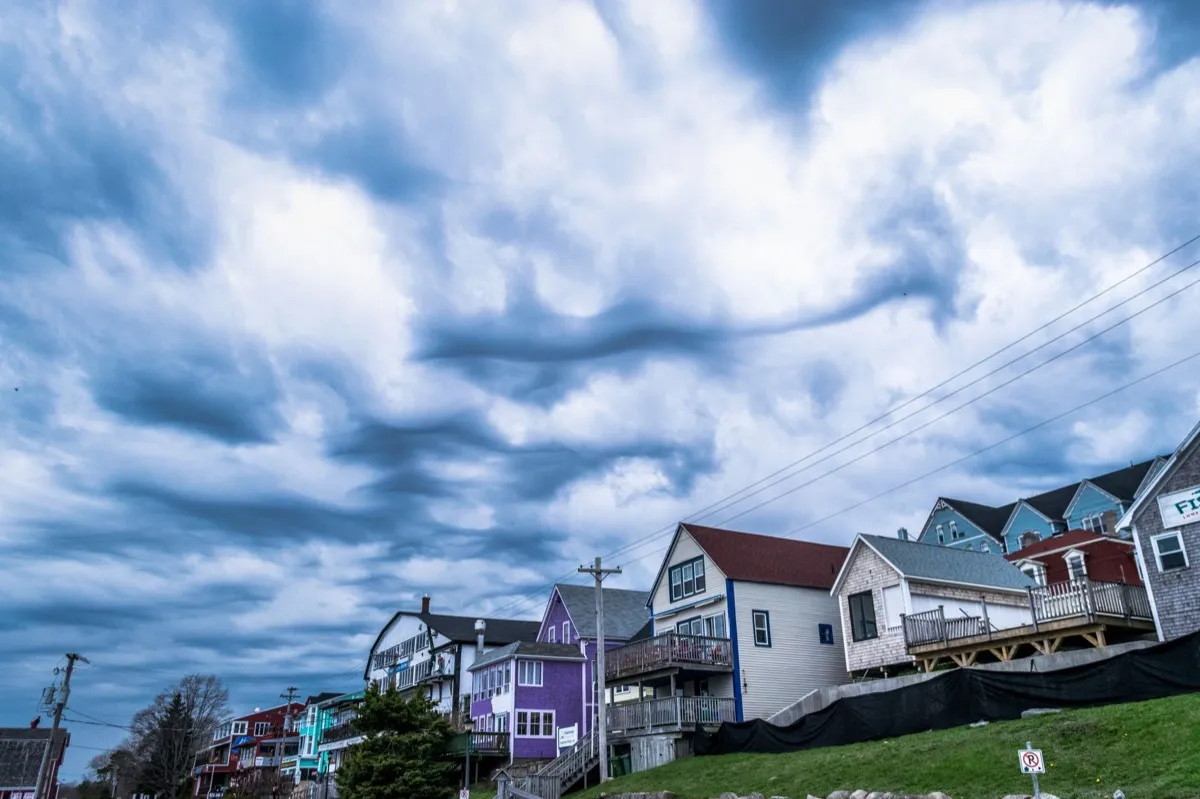
After a Front Range storm the roof is one problem and the payment structure is another, and the second runs on a clock most homeowners are never shown. Restoration here means managing both, in the right order, without confusing them.
Tile Roofing
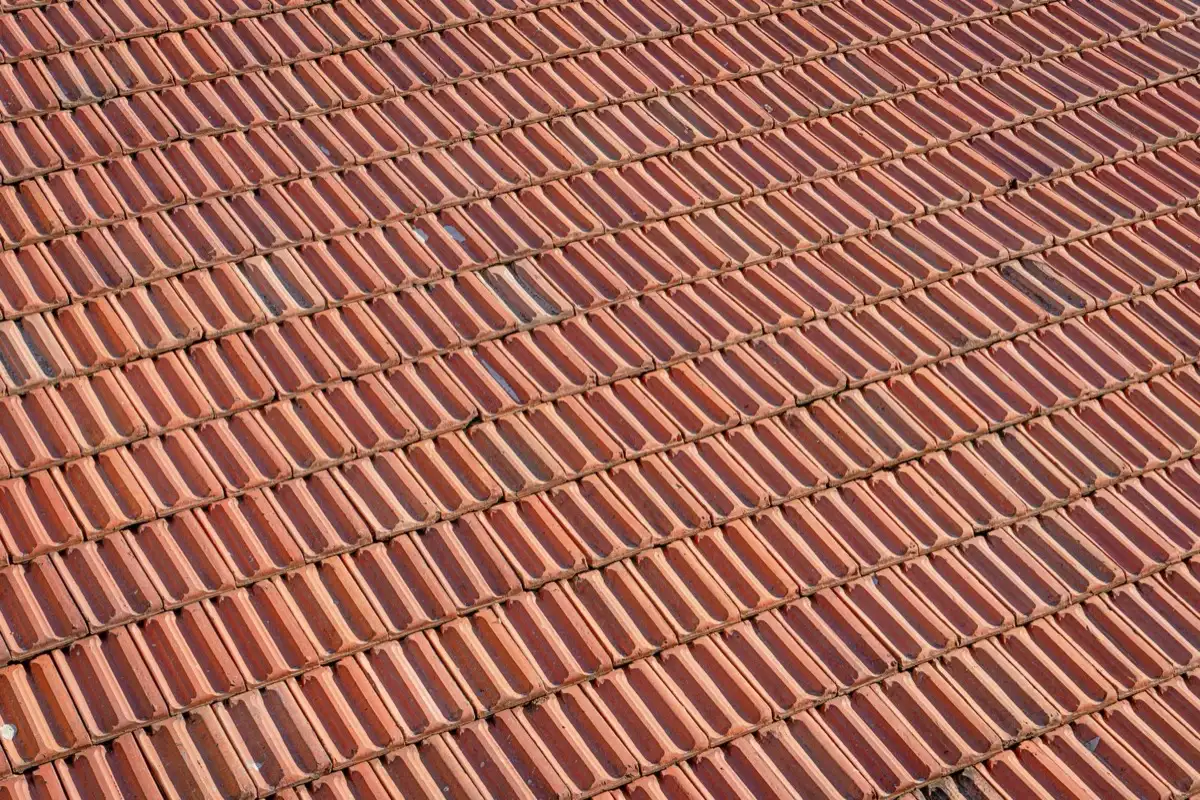
Tile is a small part of Denver's roofscape and we think it should stay that way. When homeowners ask us to convert a shingle roof to concrete or clay tile, our usual answer is no, and that deserves an explanation rather than a discouraging price.
Wind Damage Roofing
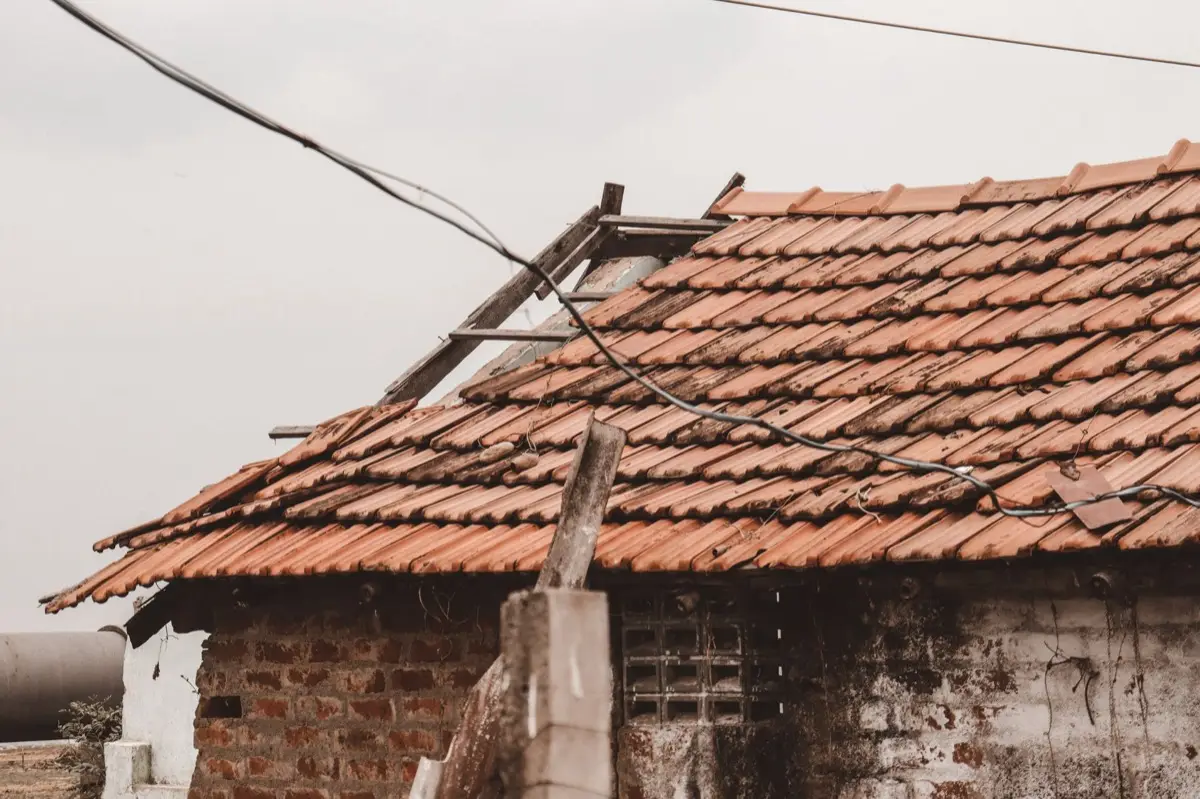
Denver writes three different wind ratings into one city, and the boundaries are streets. That single fact settles more wind arguments here than anything a homeowner will read in a brochure, and it is where an honest conversation about wind has to start.
Denver roofing runs on two calendars. One is the weather: hail season builds through late spring and early summer, and a single afternoon cell can strip one side of a street and leave the other untouched. The other is the carrier's: adjusters queue, supplements move slowly, and recoverable depreciation is released only once the work is finished and invoiced.
Most of the money in a Denver roof is decided by how those two calendars line up, not by which brand of shingle goes on.
We have opinions about metal, and they are not the ones the category usually advertises. Twenty-four-gauge standing seam is an excellent covering and a poor claim strategy, because a cosmetic damage endorsement removes coverage for hail that changes appearance without affecting function, and dented panels that still shed water are exactly what it was written around.
So before we quote metal we ask to see the declarations page and we ask how long you intend to keep the house. If the exclusion is there and you are selling in seven years, we will steer you back to a laminate and talk ourselves out of the bigger invoice.
Class 4 comes up on every Denver estimate now, and the honest answer involves a call to your carrier rather than to us. A shingle rated Class 4 under UL 2218 takes the steel ball without cracking, which is real, and carriers often price a credit for it, which is sometimes small enough that the upgrade never pays for itself.
Get the credit in writing before you buy impact-rated shingles. If the number comes back thin, take the cheaper covering and put the difference into flashing and edge metal.
Two things age a Denver roof between storms. One is the north slope, where snow sits for days after the south side has dried and the melt-and-refreeze cycle works water back under the courses; Denver's code does not require an ice barrier anywhere in the city, which is why we price one at north-facing eaves anyway and show the line.
The other is ultraviolet. Asphalt a mile up ages the way a dashboard does in a car that lives outdoors, not from one bad afternoon but from the sun that is out on all the good ones.
Permits are not optional here. Denver requires one for roofing work and licenses the contractor pulling it by class, because Colorado issues no roofing license at the state level, so ask any bidder which class they hold before you compare prices.
We hold Class D for shingles and for roof covering and waterproofing, which is why the same firm can hand you a replacement, a membrane section and a roof inspection. Ours is free and ends in a written finding, including the finding that the roof is serviceable and does not need us yet.
We write more of those than people expect.
What Denver Customers Say
They asked for my declarations page before they got on the roof, which nobody else did. Turned out my policy pays roof surfaces at actual cash value, so the claim would have left me twelve thousand short. We did it as a cash job in the autumn instead and I knew the number going in.
Two other companies told me I needed a full replacement after the June hail. These guys marked test squares, counted the hits and told me the roof was serviceable, then gave me the finding in writing with photographs. My insurer's inspector agreed. It cost me nothing.
I wanted a standing seam roof and they talked me out of it because my policy has a cosmetic damage waiver on it. Nobody selling metal had mentioned that. We went with an impact laminate and they showed me the payback maths rather than just asserting it.
Old plank decking under the shingles and I was braced for a huge re-sheeting bill. They measured the gaps, capped the small openings in metal exactly as the city allows, and only sheeted where it was genuinely needed. Priced per sheet up front, no surprises at the end.
Why Denver Chooses Denver Premium Roofing
- ✓Before we price a metal roof we read your declarations page for a cosmetic damage endorsement, because dented panels that still shed water are frequently not a covered loss at all.
- ✓We will not sell you Class 4 impact-rated shingles until your carrier has confirmed the premium credit in writing, since the upgrade does not always earn itself back.
- ✓Denver requires an ice barrier nowhere in the city, so north-facing eaves get one priced as its own line and you are free to strike it.
- ✓Deck gaps are measured against Denver's own half-inch limit and re-sheeting is quoted per sheet before the tear-off rather than discovered on day two.
- ✓Every inspection ends in a dated written finding with the photographs, including the finding that the roof is serviceable, and it is yours regardless of who does the work.
- ✓We are not public adjusters and Colorado bars us from acting like one, so we document and scope while you or a licensed adjuster handle the negotiation.
About Denver Premium Roofing in Denver, CO
Denver Premium Roofing works the City and County of Denver and the Front Range urban corridor around it, from Wheat Ridge and Edgewater across to Aurora and south through Englewood, Littleton and the Douglas County suburbs. Shingle replacement and repair on houses, low-slope membrane on commercial and multifamily buildings, metal, flashing and storm work, with a free inspection and a written finding on every visit.
Denver licenses roofing by class and Colorado issues no roofing license at the state level, so the city credential is the one that matters: we hold it for shingle work and for roof covering and waterproofing both. Every job runs on a written contract carrying the seventy-two-hour right to rescind, your deposit held in trust until materials arrive, and our insurer named, exactly as state law requires.
The document we hand out most often is not a proposal. It is a dated condition report saying the roof is fine, photographs attached, and in this metro that page is worth keeping.
Carriers read roof age and claims history at every renewal, and a marginal hail claim filed against a percentage deductible can cost more than the repair it paid for. We run that arithmetic with you before anyone telephones an insurer. Colorado bars us from negotiating the settlement afterward, and we think that is the right rule.
How It Works
- 1
Read the policy, then the roof
We ask for the declarations page and pull out four things: the loss settlement basis for roof surfaces, the wind and hail deductible and whether it is a flat sum or a percentage, any cosmetic damage endorsement, and the ordinance-or-law limit. Those decide what a sensible scope even looks like.
- 2
Inspect from the attic outwards
Sheathing tells the truth before shingles do, so we start inside with a moisture meter, then walk each slope. Layer count is confirmed at the rake, board gaps are measured against the half-inch limit, and every penetration is photographed and numbered on its own.
- 3
Two priced paths, in writing
You get the claim-funded scope with the settlement arithmetic beside it, and the cash scope priced on your own timetable. Where the cash path is the better trade we say so, and where there is no claim worth making you get a dated serviceable finding instead.
- 4
Permit, build, inspect, invoice
We pull the Denver permit under the correct license class, build to the specified ASTM wind class and fastening pattern, and schedule the city inspections the work requires. The final file gives you photographs, the permit record and an invoice a carrier can act on.
Commercial Roofing in Denver and Across the Front Range Urban Corridor
We roof and maintain warehouses, flex space, retail and multifamily buildings in Denver, from single-tenant industrial in the north-east quadrant to mixed-use blocks along the central corridors.
Commercial work here is governed by two numbers most owners meet late: the 25,000 square foot threshold that triggers Denver's cool-roof requirement on a replacement or recover, and the depreciated settlement an aged membrane returns when a storm finally ends it.
We plan around both, section by section, with core cuts and remaining service life stated in years rather than adjectives.
- ✓Sixty and eighty mil TPO and EPDM, and two-ply SBS modified bitumen systems
- ✓Tapered polyisocyanurate laid to a positive fall over high-density cover board
- ✓Cool-roof coverings and Green Buildings Ordinance compliance at 25,000 square feet and above
- ✓Class D Roof Covering and Waterproofing licensed crews on every membrane job
- ✓Core cuts, mapped moisture readings and remaining service life reported per roof section
- ✓Overflow scuppers and secondary drains sized and set to code on replacement work
- ✓Phased capital plans built around the five percent permit and ordinance thresholds
- ✓Night and weekend phasing on occupied buildings, with mechanical trades coordinated
Towns We Cover
Denver Premium Roofing serves Denver, CO and surrounding communities including:
Recent Projects Across the Front Range urban corridor
Full gallery →
Frequently Asked Questions
Will my Denver policy pay for a whole new roof after hail?
That depends on the loss settlement wording, not on the storm. If roof surfaces are covered at replacement cost, the carrier pays actual cash value first and releases the depreciation on completion. If your policy names actual cash value on roof surfaces or an age-based payment schedule, the depreciation is never released and you fund it. We read that section before quoting.
What wind rating does my roof need in Denver?
It depends which side of three streets you live on. The city sets a 115 mph minimum east of Federal Boulevard, 125 mph from Federal to Sheridan, and 140 mph from Sheridan west to Kipling. We check the address against those boundaries and put the ASTM D7158 class on the proposal rather than assuming a metro-wide figure.
Do I need a permit to repair my Denver roof?
For a building under 25,000 square feet, a repair needs a permit once it exceeds ten percent of the roof area or two roof squares, whichever is smaller. At 25,000 square feet or more the threshold drops to five percent under the Green Buildings Ordinance. Roof coatings need no permit, and every new penetration does.
Can you pay my insurance deductible or take it off the price?
No. Colorado prohibits a roofing contractor from advertising, promising, paying, waiving or rebating any part of an insurance deductible, and we will not disguise it inside an inflated scope either. Your contract states the deductible in writing, and the scope on it is the scope we intend to build.
Is an ice and water barrier required at my eaves in Denver?
No. Denver's adopted climatic design table records that ice barrier underlayment is not required in this jurisdiction, which surprises owners who have moved from colder markets. We still use self-adhering membrane at valleys, penetrations and low-slope transitions, because those are where water actually gets in here.
Should I file a claim for a small hail loss?
Often not. Many Colorado policies carry a wind and hail deductible set as a percentage of the dwelling limit, so the first several thousand dollars is yours regardless, and Colorado has no law preventing a carrier from non-renewing after repeated losses. We will run the arithmetic and give you a written serviceable finding if there is no claim worth making.